Staff
-
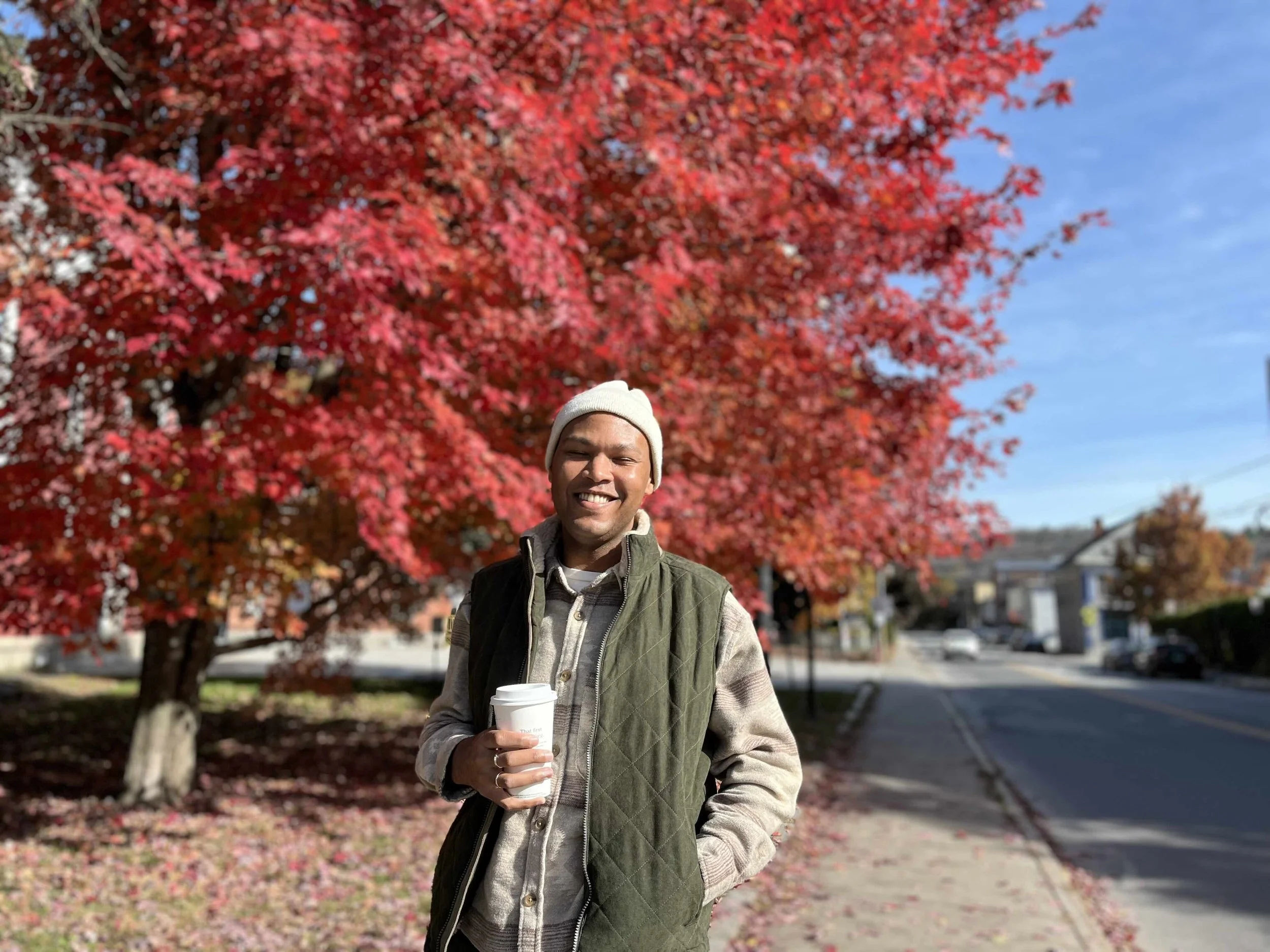
Larry Blake Harvey, Executive Director
For Blake, restorative justice is a commitment to reshaping how communities respond to harm, centering the belief that accountability and care can exist together. He sees this work as more than resolving individual conflicts. It is about building systems that keep people connected, supported, and valued, even when mistakes are made. Blake works to create spaces where people can confront hard truths, repair relationships, and strengthen the social fabric that keeps communities whole. Guided by the understanding that change is possible for everyone, he leads with the conviction that justice is best served when it restores rather than isolates.
-

Julia B., Restorative Justice Program Coordinator
For Julia, restorative justice centers on collectivity and the understanding that relationships and human connection form the foundation of strong, healthy, and adaptive communities. As a public health practitioner and social worker with experience in gender-based violence prevention, Disability Justice, Reproductive Justice, and intersectional feminist praxis, she is guided by the belief that, in the words of Mariame Kaba, “everything worthwhile is done with other people.” Julia views restorative justice as a pathway to accountability, repair, and transformation, one that challenges the culture of disposability that harms both people and the planet. She envisions a world where everyone is free and no one is left behind.
-

Hella Dijsselbloem Girón, Restorative Justice Program Coordinator
For Hella, restorative justice is a practice of choosing connection over punishment and recognizing that people and communities need more than carceral responses to heal. She believes that real accountability happens when people are supported to face harm honestly, understand its impact, and take meaningful steps toward repair. With a background in restorative circle facilitation and community engagement, Hella is guided by the belief that everyone deserves to be heard, cared for, and given the opportunity to grow. She approaches human imperfection with empathy and patience, including her own, and sees restorative justice as a lifelong commitment to treating people with dignity and believing in their capacity for change.
-
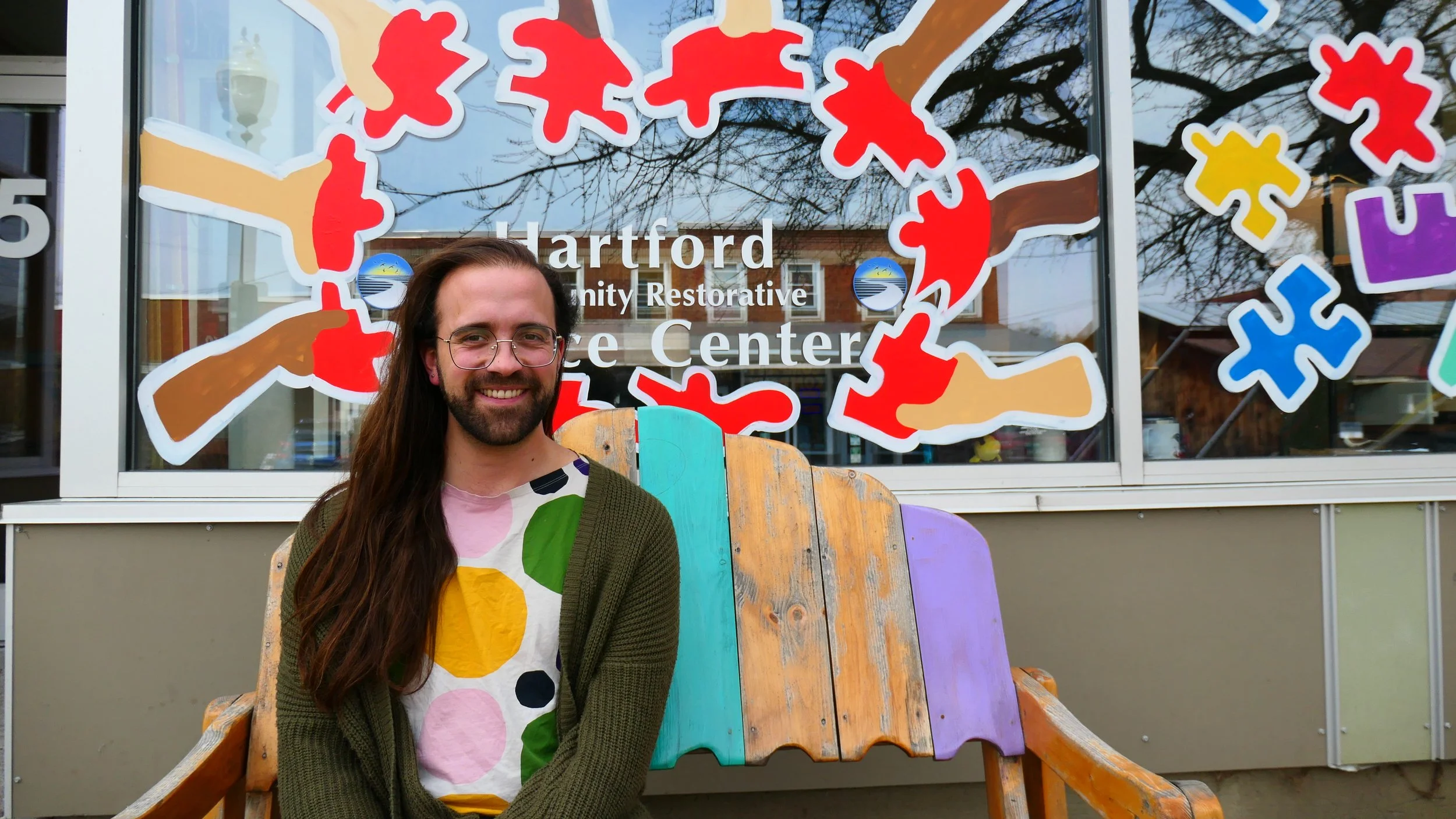
Spencer Bronk, Transitional Housing & Reentry Program Coordinator
For Spencer, restorative justice is rooted in the belief that community is both our strongest resource and our greatest responsibility. He sees connection as essential to how people live, grow, and make meaning and recognizes that when harm happens, it doesn’t occur in isolation. It ripples outward, affecting the fabric of the community itself.
He believes that meaningful accountability cannot happen through disconnection or punishment alone. Instead, it requires people to stay in relationship, to face harm honestly, and to be part of the process of repair. In this way, restorative justice offers an alternative to systems that separate and isolate, and instead asks communities to take an active role in responding to harm.
-
Blair Butterfield, Communications Coordinator
Restorative justice, to me, is about returning to relationship—between people, communities, and the systems we move within. It shifts the focus away from punishment and toward accountability, repair, and continued belonging. I see it as a regenerative practice that asks us to face harm honestly while remembering that people are more than the worst thing they’ve done. It’s difficult work, but it creates the possibility for real healing rather than surface-level resolution.
In my everyday life and work, I try to practice restorative principles through attention, listening, and staying in relationship even when things are uncomfortable. As a teacher and community member, I focus on building trust, slowing down reactions, and approaching conflict with curiosity and accountability. For me, restorative work is ultimately about creating conditions where people can grow, repair harm, and remain connected to community.
Board of Directors
-
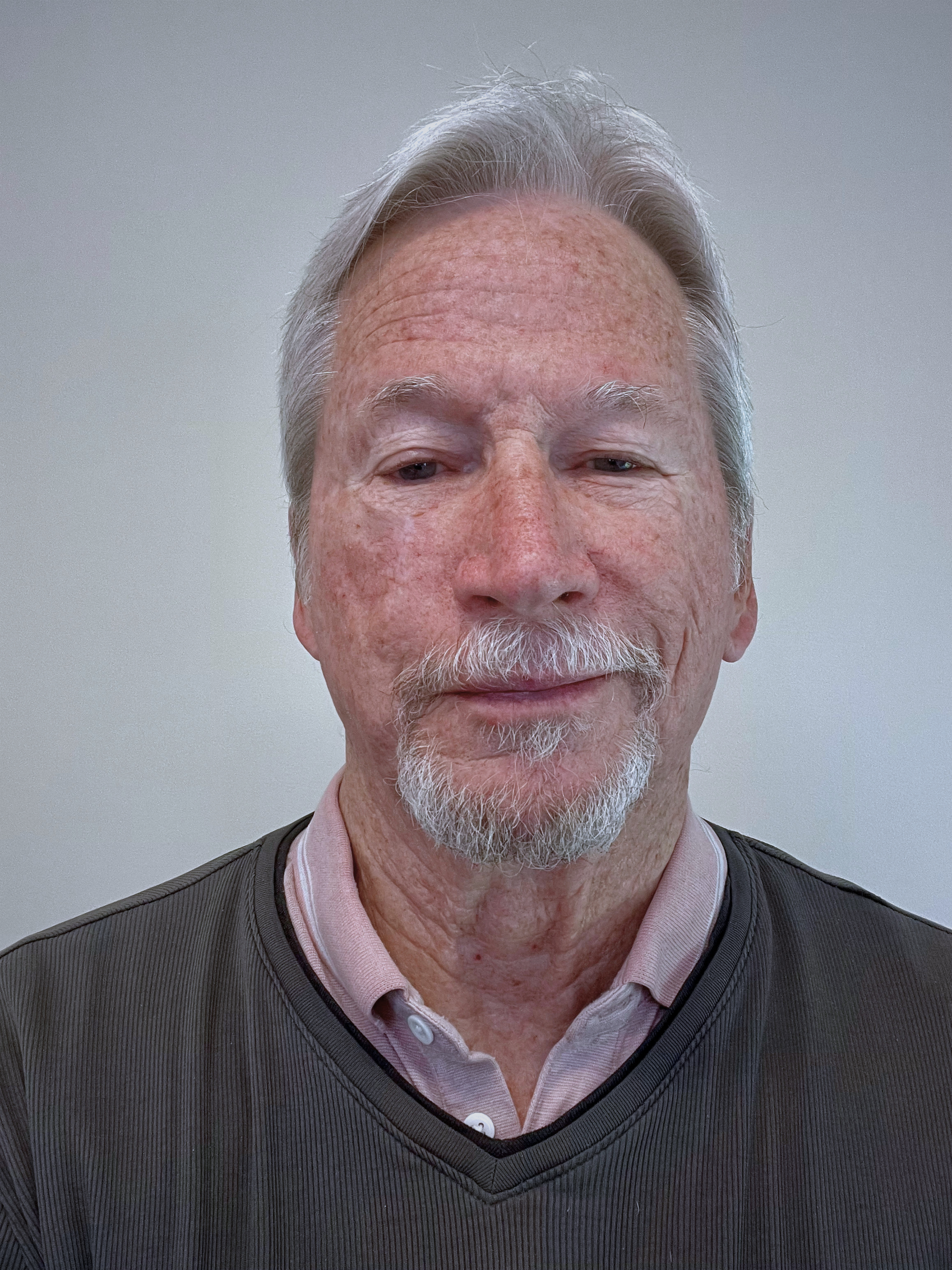
Kevin O’Hara
President
Kevin O’Hara is a longtime Upper Valley business owner with over forty years of experience. He has been a member of the board at Hartford Community Restorative Justice Center since 2019 and currently serves as Board Chair, previously holding the role of Treasurer. Kevin has also served as Board Chair of COVER Home Repair and as Chair of the Planning Commissions in Thetford Vermont and Strafford Vermont. He and his wife, who also volunteers with HCRJC, raised their family in the Upper Valley.
-
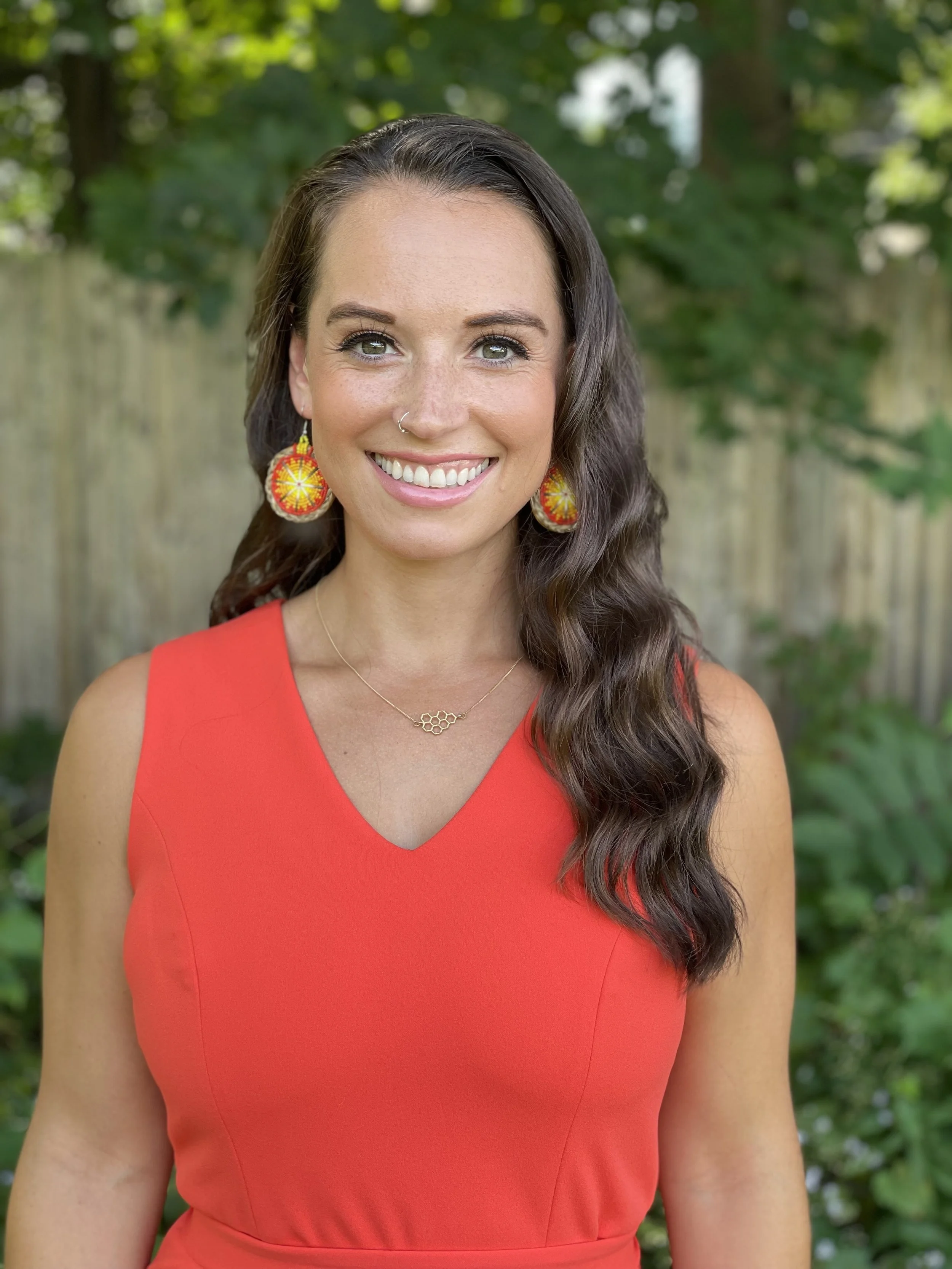
Alanna Ojibway
Member
Alanna Ojibway has been involved with Hartford Community Restorative Justice Center for nearly a decade, beginning as a volunteer and now serving as a board member. She is also the Assistant Director of Education and Outreach at the National Center on Restorative Justice, where she works with communities across the country to develop and expand restorative justice programs. Alanna brings a practitioner’s perspective to her work, with a focus on collaborative, community-based approaches to justice and repair.
-
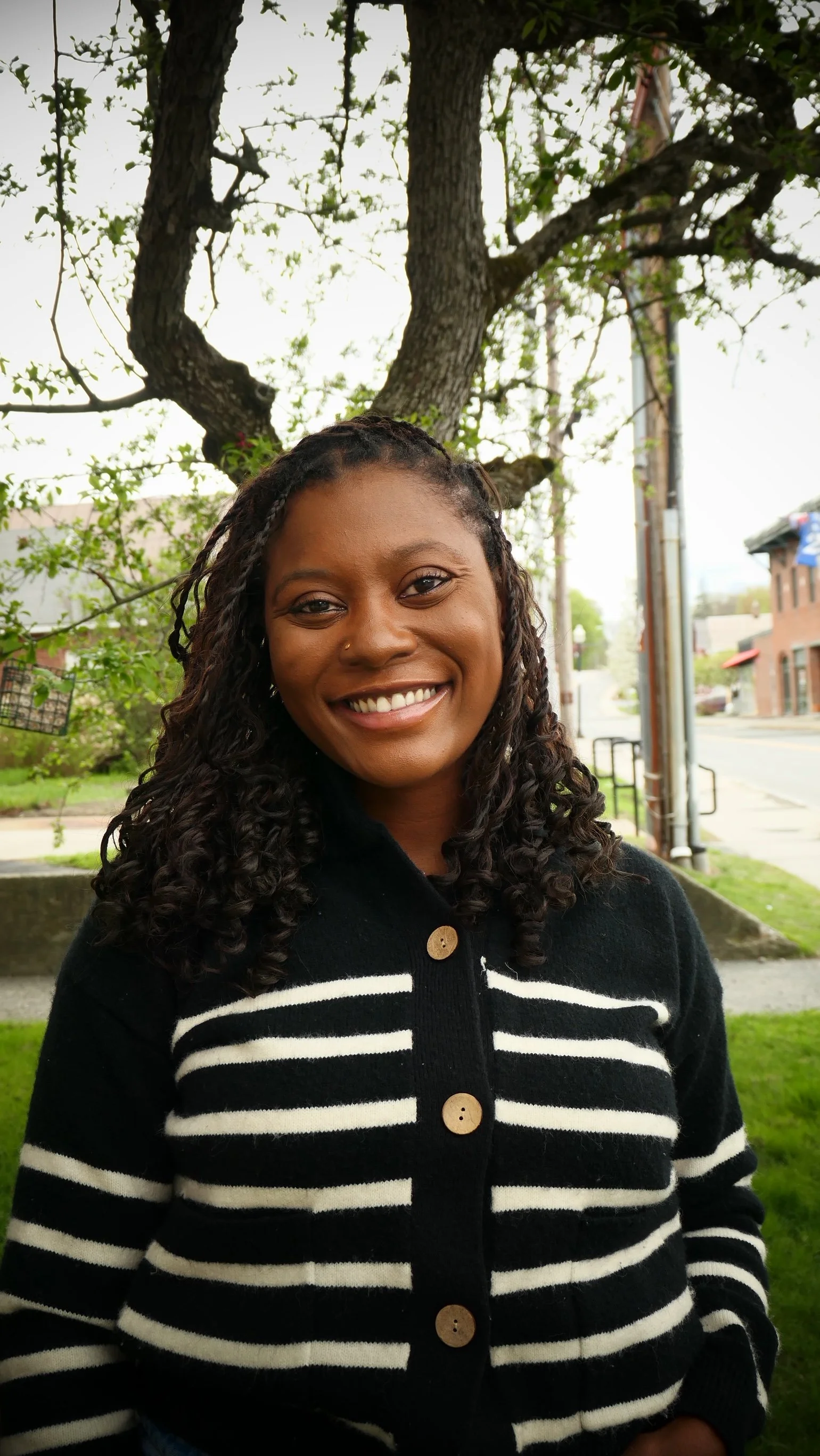
Airon Shaw
Treasurer
Airon Shaw originally moved to Vermont from Alabama to attend Vermont Law and Graduate School, where he earned a master’s degree in restorative justice. He enjoys hiking throughout the Northeast and spending time with his son. In 2024, Airon opened Ninny Goat & Co, a cannabis dispensary named in honor of his late grandmother, reflecting his deep appreciation for family, community, and meaningful connection.
-
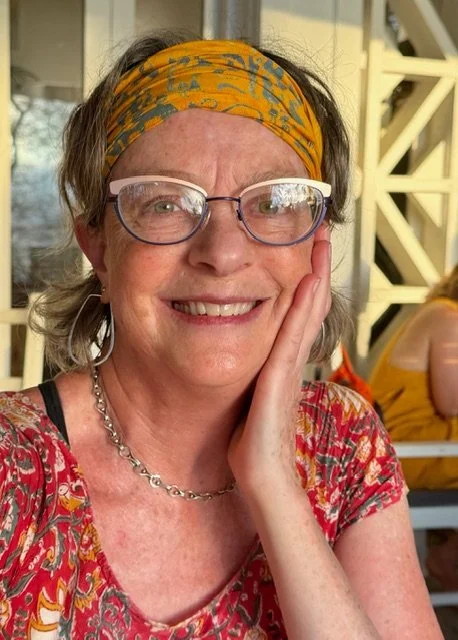
Giavanna Munafo
Member
Giavanna Munafo is a Circles of Peace youth volunteer and a member of the board at Hartford Community Restorative Justice Center. She spent over 20 years at Dartmouth College, teaching in the Women’s, Gender, and Sexuality Program and serving in leadership roles focused on equity and inclusion. She has also contributed to the community through her work with WISE and The Family Place. A lifelong writer, she is currently completing her first novel and lives in White River Junction, where she gardens and writes.
-
Miriam El Guemri
Member
Miriam El Guemri is a business professional with a focus on operations, team development, and building supportive, effective workplaces. She brings a practical, people-centered approach to her work and is committed to helping organizations function well and serve their communities. Miriam serves on the board of Hartford Community Restorative Justice Center, where she contributes to strengthening systems that support community wellbeing.
-
Kitty O’Hara
Member
-
Brett Mayfield
Vice President and Secretary
-
Havah Walther
Member
-
Abril Galarraga
Non-Voting Member, Board Fellow, Tuck School of Business at Dartmouth